
Richard Brown Jr, MBA
Cheyenne represents a distinctive intersection of rural and urban dynamics within Wyoming. As the state’s most populated city, it functions as a central hub for medical services, behavioral health support, and community resources. Yet despite its relative size, Cheyenne is still deeply influenced by the broader rural conditions that shape access to care across Wyoming. Many individuals who rely on consistent services face geographic isolation, unpredictable weather patterns that limit travel, and long distances between specialty providers. These factors create a complex landscape in which health outcomes are often tied to a person’s ability to reach care consistently and safely.
For vulnerable populations, these rural characteristics intensify existing challenges. Older adults, individuals with chronic illnesses, and those with intellectual or developmental disabilities may struggle with transportation barriers or limited mobility. In these cases, traditional clinic-based services do not fully meet the needs of residents who require more continuous support. Home-based care becomes an essential intervention that shifts the center of service delivery to the client’s living environment. Research shows that rural residents who receive support at home experience improved continuity of care, greater satisfaction with services, and reduced emergency visits, demonstrating the impact of home-centered interventions on long-term stability (Rural Health Information Hub, 2022).
Rural health challenges contribute to long-term disparities in wellness, access, and disease management. In Wyoming, limited access to specialists means that clients often wait longer for accurate diagnoses or follow-up treatment. These delays can lead to complications that might have been prevented with earlier intervention. Furthermore, many rural residents rely on family members or informal caregivers to navigate complex medical systems, which adds stress to households already managing daily responsibilities. Home-based care mitigates these concerns by ensuring that assistance is consistently present within the environment where the individual spends the majority of their time.
Social stability is also closely linked to rural health outcomes. Individuals who live alone or who have few community connections may experience higher levels of isolation, compounded by the difficulty of accessing supportive programs. Home-based care providers often serve as a consistent source of encouragement, structure, and social interaction. They help connect clients to external resources, coordinate transportation when necessary, and provide oversight that reduces the likelihood of crises. In this way, home-based care supports not only physical well-being but also the social foundations that contribute to long-term resilience.
Cheyenne benefits from a network of community organizations that play a key role in supporting vulnerable residents. Behavioral health agencies, senior service providers, disability resource organizations, and veteran-focused programs form an interconnected web of support. While these organizations offer valuable services, clients with complex needs often require assistance coordinating communication between providers. Home-based care strengthens this network by serving as a bridge between the home environment and community systems, ensuring that information flows smoothly and support is delivered consistently.
Collaboration is a cornerstone of effective community care in Cheyenne. When home-based support teams work in partnership with case managers, social workers, therapists, and local agencies, clients benefit from a unified and proactive support system. Families experience reduced caregiver burden because they are no longer responsible for facilitating every appointment or advocating alone for their loved one’s needs. This collaborative model results in better continuity during life transitions, fewer misunderstandings between agencies, and an overall increase in client stability.
A safe home environment influences nearly every dimension of health, from physical safety to emotional regulation. Research on environmental psychology and public health consistently shows that living conditions directly affect a person’s well-being. For individuals with disabilities, chronic illnesses, trauma histories, or mobility limitations, the home environment is not only a place of residence but also a therapeutic setting that shapes recovery. In Cheyenne, where rural factors amplify vulnerability, environmental safety becomes especially important.
Understanding the science behind safety helps inform best practices in home-based care. Safety involves more than meeting basic housing requirements. It includes lighting, accessibility, cleanliness, air quality, predictable routines, and spaces designed to reduce stress. By addressing these elements, caregivers create environments that support health and reduce risks associated with falls, infections, mental health crises, and emotional instability.
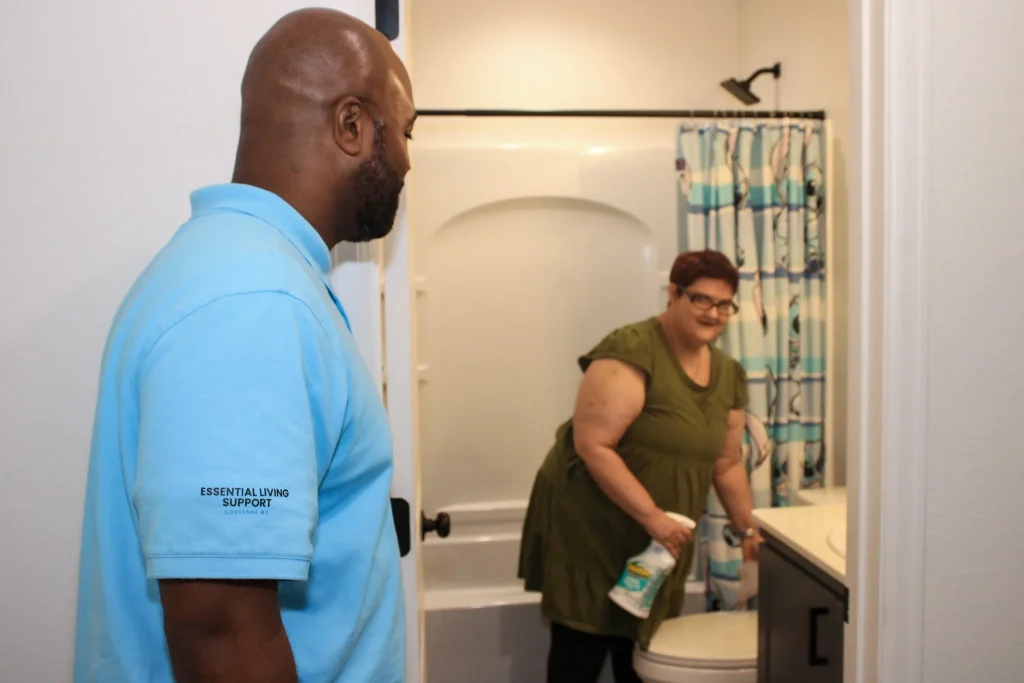
Environmental safety standards guide the structural and procedural conditions that protect residents. These standards include non-slip flooring, adequate lighting in hallways and bathrooms, fire safety measures, accessible bathrooms, and carefully organized spaces that reduce clutter. The Centers for Disease Control and Prevention identifies home modifications as a primary factor in preventing injury and enabling older adults to remain safely at home (Centers for Disease Control and Prevention, 2020). For individuals with mobility challenges, these standards make daily routines easier and reduce the likelihood of accidents.
Standard safety features benefit not only older adults but also individuals with disabilities or chronic medical needs. Clear pathways allow mobility devices to move freely throughout the home, and stable surfaces support those with balance or coordination difficulties. Emergency egress routes improve safety during unexpected events, and appropriately placed smoke detectors or carbon monoxide monitors provide essential protection. When homes meet these safety expectations, residents experience increased confidence and independence.
Sanitation plays an essential role in protecting vulnerable populations from infections and allergies. A clean home reduces the presence of pathogens, dust, and allergens that could exacerbate respiratory disorders or compromise immune functioning. Regular cleaning supports both physical health and psychological comfort by promoting order and reducing overstimulation for clients sensitive to environmental changes.
Accessibility features further transform the home into a supportive environment. Ramps, widened doorways, grab bars, and adjustable seating allow residents to complete tasks that might otherwise be difficult or unsafe. Harm reduction strategies add an additional layer of safety. These include locking storage areas for medications or hazardous materials, implementing routines that reduce confusion for clients with memory challenges, and organizing sensory-friendly spaces for individuals prone to overstimulation.
Trauma-informed design recognizes that many individuals receiving home-based care have experienced events that shape their sense of safety. Trauma can result from medical experiences, abuse, unstable housing, or other factors that disrupt trust in environments. A trauma-informed home focuses on predictability, comfort, and control. Warm colors, minimal clutter, structured routines, and gentle sensory inputs help clients regulate their nervous systems. This design approach reduces emotional stress and creates a foundation for therapeutic progress.
Research from the Substance Abuse and Mental Health Services Administration emphasizes the importance of environments that promote emotional safety and reduce triggers that may lead to behavioral crises (SAMHSA, 2014). Calm, organized spaces support the brain’s ability to shift away from fight-or-flight responses and toward growth, learning, and connection. Trauma-informed environments are especially effective for individuals with behavioral challenges, PTSD, autism spectrum disorder, or cognitive disabilities.
The neuroscience behind safety reveals how the brain responds to environmental conditions. When a person perceives their surroundings as safe, the amygdala decreases its threat signaling. This shift allows the prefrontal cortex to engage more fully in functions such as decision-making, problem-solving, memory processing, and emotional regulation. A safe environment therefore creates the conditions necessary for healing and long-term stability.
Conversely, environments that feel chaotic or unpredictable can activate stress responses that hinder recovery. Individuals who experience chronic stress may struggle with concentration, emotional control, or adherence to routines. By designing homes that promote calm, clarity, and order, caregivers support neurological healing. Over time, the brain becomes more capable of maintaining emotional balance and responding to challenges with resilience.
Home-based care directly influences recovery outcomes by addressing the daily factors that shape health. Clinical interventions are important, but they are only one part of a broader wellness picture. Individuals spend most of their time outside medical settings, which means that the home environment plays a major role in determining how well treatment plans are followed and how effective they are. Home-based care bridges the gap between clinical recommendations and daily realities.
Home-based care also supports the emotional foundations of recovery. Clients often experience reduced anxiety when they can remain in a familiar setting surrounded by items, routines, and people that bring comfort. Emotional stability strengthens the ability to cooperate with caregivers, engage in activities, and communicate needs. The home becomes a supportive environment where healing can occur naturally as part of daily life.
Physical recovery is enhanced when the home environment supports consistent routines and promotes health-promoting behaviors. Individuals recovering from surgery, injury, or chronic illness need assistance with tasks such as meal preparation, medication adherence, and mobility exercises. Home-based caregivers ensure that these activities are performed correctly and consistently, reducing the risk of complications and promoting faster healing.
Another benefit of home-based care is the reduction in hospital readmissions. Preventable readmissions often occur when individuals struggle to follow discharge instructions or lack support in monitoring symptoms. Home-based caregivers provide oversight, identify early warning signs, and facilitate follow-up care. This proactive approach improves long-term outcomes and reduces stress for both clients and healthcare systems.
Chronic illnesses require ongoing management, and the home environment plays an important role in determining how well individuals adhere to their treatment plans. For conditions such as diabetes, hypertension, COPD, or heart disease, home-based care can support daily monitoring, dietary adjustments, and regular physical activity. These interventions reduce the likelihood of complications and promote stability.
Home-based caregivers also communicate observations to medical professionals, providing valuable insight into day-to-day patterns that influence health. This communication strengthens the accuracy of treatment plans and promotes a more comprehensive understanding of the client’s needs.
Reducing hospital readmissions is a major goal in healthcare, particularly for rural systems where hospital capacity may be limited. Home-based care contributes to this goal by supporting transitions from hospital to home and by monitoring clients for signs of deterioration. Early intervention can prevent minor issues from developing into emergencies.
Furthermore, clients who receive home-based follow-up care often experience increased confidence in their ability to manage their conditions. They feel supported both medically and emotionally, which contributes to better adherence and a stronger sense of control. The combination of emotional support and practical guidance creates a stable environment that reduces the likelihood of unnecessary hospital visits.
Emotional and psychological recovery forms a core dimension of home-based care. Individuals who face health challenges often experience stress, anxiety, or uncertainty. The home environment serves as a stabilizing force that promotes psychological well-being through familiarity and routine. When caregivers foster emotional safety, clients are more likely to express their needs, participate in activities, and engage in meaningful interactions.
Emotional recovery also enhances motivation. When individuals feel supported and valued, they are more willing to participate in therapy, follow treatment plans, and pursue personal goals. The daily presence of a consistent caregiver supports the development of trust, which strengthens resilience and long-term well-being.
Stress reduction is one of the most significant benefits of home-based care. Stable routines, predictable interactions, and familiar surroundings reduce physiological stress responses. Over time, decreased stress contributes to improved immune functioning, better sleep, and enhanced emotional balance. The home environment supports a rhythm that allows individuals to recover at their own pace.
Autonomy also plays a central role in emotional well-being. Home-based care allows clients to make choices about their daily routines, meals, activities, and personal preferences. This autonomy strengthens a sense of identity and agency. Attachment security further enhances emotional stability. Clients who form trusting relationships with caregivers gain confidence and develop a sense of safety that supports long-term recovery.
Stabilization is a key measure of success in home-based care. Vulnerable populations benefit from structured support that reduces the likelihood of crises and increases the ability to manage daily challenges. Stability contributes to improved health outcomes, stronger community integration, and enhanced quality of life. In Cheyenne, home-based care plays an instrumental role in supporting individuals across a range of needs.
Individuals with intellectual, developmental, or physical disabilities often require consistent routines and sensory-informed environments to feel secure. Home-based care allows caregivers to create structured daily plans that match the individual’s unique needs. This stability reduces anxiety, enhances functioning, and promotes learning. Sensory supports such as quiet spaces, visual schedules, or tactile tools further support emotional regulation.
Another important factor for individuals with disabilities is community participation. Home-based caregivers help clients access community events, social groups, and skill-building activities. These experiences contribute to personal growth and enhance social integration, which is a major component of long-term stability.
Older adults benefit significantly from home-based care. Aging is often associated with declining physical strength, increased fall risk, chronic conditions, and changes in cognition. Remaining at home provides comfort and familiarity during these transitions, reducing anxiety and promoting well-being. Caregivers support independence by assisting with daily tasks, coordinating medical appointments, and monitoring safety.
Social isolation is a major predictor of negative health outcomes for older adults. Home-based caregivers provide consistent companionship that reduces loneliness and helps individuals remain engaged in meaningful activities. This support promotes cognitive functioning, emotional health, and overall resilience during the aging process.
Individuals who have histories of incarceration or homelessness often face instability that impacts both mental and physical health. Returning to or establishing a stable home environment is a critical part of recovery. Home-based care provides the structure, accountability, and emotional support necessary to help these individuals transition successfully. Stable housing combined with support has been shown to reduce recidivism and crisis episodes.
Quality of life encompasses physical, emotional, social, and functional dimensions. Home-based care enhances quality of life by addressing all four areas through individualized support. Clients benefit from environments that promote safety, autonomy, and personal expression. This holistic approach strengthens well-being and supports long-term stability.
Social participation is an essential component of quality of life. Home-based care facilitates engagement by helping clients attend community events, maintain relationships, and pursue hobbies. These interactions promote mental health, reduce feelings of isolation, and strengthen community connections. Relational health extends beyond socialization and includes the quality of relationships with caregivers, family members, and community support workers.
Daily living satisfaction is influenced by the ability to complete personal care tasks, prepare meals, maintain household routines, and participate in preferred activities. Home-based care supports these functions by helping individuals develop or retain skills required for independence. Sleep quality, nutrition, and physical activity are also important components of daily satisfaction.
Evidence-based markers of improved functioning include enhanced mood stability, better sleep patterns, reduced physiological stress indicators, and fewer emergency service calls. Home-based care often leads to these improvements within the first months of consistent support. Functional improvements extend to cognitive tasks such as memory, problem-solving, and attention.
Best practices ensure that home-based care meets the highest standards of safety, quality, and client-centered support. These practices are rooted in research, regulatory requirements, and community expectations. In Cheyenne, best practices include comprehensive staff training, rigorous safety protocols, ongoing assessment, and strong partnerships with families and community organizations.
High-quality care begins with well-trained staff. Caregivers must understand disabilities, aging processes, trauma responses, medication management, and de-escalation strategies. Training is not a one-time event. Ongoing education allows caregivers to stay updated on best practices, technological advancements, and regulatory changes.
Safety protocols provide structure and consistency in home-based care. Regular home inspections identify potential hazards and support necessary modifications. Caregivers also document observations that help identify early signs of decline or crisis. Continuous assessment promotes long-term stability by addressing concerns before they escalate.
Family involvement strengthens home-based care by providing insight into the client’s history, preferences, and long-term goals. Community partnerships further expand the network of support. When caregivers collaborate with healthcare providers, behavioral health agencies, senior centers, or disability organizations, clients benefit from comprehensive and coordinated care.
The policy landscape influences every aspect of home-based care. Regulations ensure that clients receive safe, ethical, and consistent support. They protect client rights, establish minimum standards for service delivery, and guide care practices across the state and country.
The Wyoming Department of Health establishes standards that govern home-based care. These standards cover staff qualifications, supervision requirements, safety measures, client rights protections, and reporting expectations. State regulations also emphasize the importance of documentation.
Federal guidelines from the Centers for Medicare and Medicaid Services influence privacy protections, service planning, and data management. Federal regulations also inform reimbursement processes for home-based services through Medicaid waivers and federally funded programs.
Ethical considerations form the foundation of compassionate home-based care. Core principles include autonomy, informed consent, dignity, privacy, and the least restrictive environment. Rights protections safeguard individuals from discrimination, neglect, or exploitation.
Technology plays an increasingly significant role in the effectiveness of home-based care. In rural communities like Cheyenne, technology bridges the geographic barriers that limit access to specialized care.
Telehealth has become a cornerstone of rural healthcare. It allows clients to receive evaluations, therapy sessions, and medical follow-up without needing to travel long distances. Monitoring tools such as digital charting systems, virtual check-ins, and remote health tracking devices improve continuity of care.
Smart home technologies enhance safety by providing real-time feedback and alerts. Fall detection systems notify caregivers of sudden movements that could indicate injury. Medication reminders support adherence to treatment plans. Environmental sensors track changes in temperature, humidity, or air quality that may affect vulnerable clients.
While home-based care offers significant benefits, it also faces challenges that require thoughtful solutions. Rural settings often experience staffing shortages, limited service availability, and financial constraints that impact long-term sustainability.
Workforce shortages are a significant challenge across Wyoming. Recruiting and retaining caregivers is difficult due to competition from other industries, geographic isolation, and the emotional demands of caregiving work. Addressing this challenge requires investment in recruitment strategies, competitive compensation, and ongoing training.
Financial sustainability requires diversified funding strategies. Home-based care providers in Cheyenne benefit from understanding Medicaid waiver programs, VA funding opportunities, and private pay options. Advocacy for policy changes that expand funding access is also important for long-term sustainability.
Innovation offers pathways to expand access and improve care quality. Telehealth expansion, smart home integrations, and community partnership models all represent opportunities to reach more clients with effective support.
Compassionate home-based care in Cheyenne represents a commitment to the dignity, safety, and quality of life of every individual served. By combining rural health expertise, evidence-based safety science, and community-centered approaches, Essential Living Support, LLC delivers care that strengthens stability and promotes long-term well-being for Veterans and adults with disabilities across Laramie County and the surrounding region.
Home-based care in Cheyenne addresses both universal care needs and the specific rural challenges of Wyoming, including geographic isolation, transportation barriers, and limited specialist access. The approach integrates community networks, telehealth, and individualized support to overcome these barriers.
Trauma-informed environments reduce stress responses, promote emotional regulation, and create the predictability that supports recovery. These design principles are especially effective for individuals with PTSD, behavioral challenges, or histories of institutional care.
Technology bridges the gap created by geographic distance. Telehealth, remote monitoring, and smart home systems allow clients to receive consistent oversight and medical support without requiring frequent travel to distant providers.
For adults with intellectual and developmental disabilities, home-based care provides consistent routines, sensory-informed environments, community integration support, and skill development opportunities that promote independence and long-term stability.
Qualifications vary by service type and regulatory requirements. All caregivers at Essential Living Support receive training in person-centered approaches, safety protocols, medication management, and disability-specific support strategies.
Richard Brown Jr., MBA-HCM, BS Healthcare Administration, is the Founder of Essential Living Support, LLC, a veteran-owned home-based care provider in Cheyenne, Wyoming. I provide person-centered support for Veterans and adults with intellectual and developmental disabilities (I/DD) through VA Medical Foster Home services and Home and Community-Based Services. My focus is practical, safety-minded support that protects dignity, promotes independence, and strengthens community inclusion.
This article is provided for general educational purposes and reflects my professional experience along with publicly available guidance. It does not create a provider-patient relationship and is not medical, legal, or clinical advice. For guidance specific to your situation, contact your VA care team, primary care provider, case manager, or an appropriate licensed professional.
Contact: https://www.essentiallivingsupport.com/contact
Google Business Profile: https://maps.app.goo.gl/qP5oziBJHXgHGUhW8
Dignity. Respect. Independence. Always.
About the Author
Richard Brown Jr., MBA-HCM, BS Healthcare Administration
Founder of Essential Living Support, LLC, a veteran-owned home-based care provider in Cheyenne, Wyoming. I provide person-centered support for Veterans and adults with intellectual and developmental disabilities (I/DD) through VA Medical Foster Home services and Home and Community-Based Services. My focus is practical, safety-minded support that protects dignity, promotes independence, and strengthens community inclusion.
This article is provided for general educational purposes and reflects my professional experience along with publicly available guidance. It does not create a provider-patient relationship and is not medical, legal, or clinical advice. For guidance specific to your situation, contact your VA care team, primary care provider, case manager, or an appropriate licensed professional.