
By Richard Brown Jr.
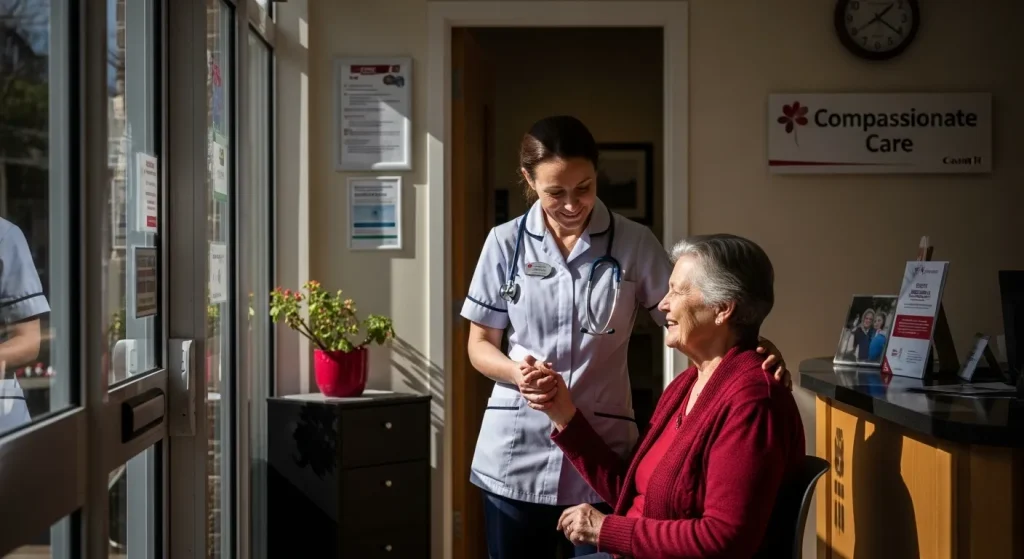
Compassionate care goes beyond medical treatment — it encompasses emotional, psychological, and social support that addresses the whole person. This approach is particularly impactful for individuals with disabilities, veterans, and aging adults who require consistent, person-centered care at home.
Compassionate care is a holistic approach to caregiving that prioritizes the emotional and psychological well-being of the individual alongside their physical health needs. It recognizes that effective care must address the whole person — their fears, dignity, preferences, and relationships — not just their medical conditions.
At its foundation, compassionate care involves:
Compassionate care is built on several interconnected elements that together create a supportive and dignified care environment.
Attention
Truly noticing the individual — their mood, their comfort, their unspoken needs — and responding accordingly.
Understanding
Taking time to learn each person’s history, values, and preferences so that care is genuinely personalized.
Empathy
Feeling with the individual, not just for them — recognizing and validating their emotional experience.
Compassionate Action
Translating empathy into concrete supportive behaviors that reduce suffering and promote well-being.
For continued connection, compassionate caregiving means recognizing the interdependency between caregiver and care recipient. Compassionate care also acknowledges the emotional labor involved in caregiving and supports caregiver well-being as part of a sustainable care model.
What compassionate care looks like in practice — additional recommendations and examples, practical tools for implementation and fostering a compassionate environment.
For individuals with disabilities — whether physical, cognitive, or developmental — compassionate care is not a luxury. It is a clinical and ethical necessity. Research consistently demonstrates that person-centered, compassionate care improves health outcomes, reduces hospitalization rates, and increases quality of life.
Studies show that individuals who receive compassionate care experience lower rates of depression and anxiety, greater sense of security and belonging, improved engagement with care routines, and stronger relationships with caregivers.
The emotional benefits of compassionate care extend to both the individual receiving care and the people providing it.
Compassionate care creates genuine human connections that have measurable therapeutic value. When individuals feel seen, heard, and valued by their caregivers, they are more likely to engage actively with their care plans, communicate needs and concerns, maintain motivation for rehabilitation goals, and experience lower levels of chronic stress.
Compassionate care environments foster psychological resilience, particularly important for veterans managing PTSD and other service-related conditions, and for adults with IDD navigating complex transitions.
Routine and predictability in compassionate care:
The relationship between caregiver and care recipient is central to the effectiveness of any care model. Compassionate caregivers build relationships characterized by:
Trust is built through consistent, honest, and respectful interaction. When individuals trust their caregivers, they are more likely to report symptoms honestly, accept necessary care interventions, and engage in health-promoting behaviors.
Compassionate care takes different forms depending on the needs and preferences of the individual. Here are concrete examples across care settings.
At Essential Living Support, LLC in Cheyenne, Wyoming, compassionate care is not a program or a policy — it is the foundation of how we work with every individual we serve. Our team is trained in person-centered approaches that honor dignity, support independence, and build genuine relationships.
Whether you are a Veteran, an adult with IDD, or a family caregiver seeking support, we are here to provide care that truly makes a difference. Contact us to learn more about our home and community-based services in Cheyenne.
Compassionate care goes beyond task completion. It involves genuine attention, empathy, respect for dignity, and a commitment to understanding and honoring the individual’s preferences and values in every interaction.
Standard care focuses primarily on physical tasks and medical needs. Compassionate care integrates emotional and psychological support, treating the individual as a whole person rather than a set of needs to be addressed.
Yes. When compassionate principles are applied to the caregiver relationship as well — including recognition, support, and appropriate boundaries — caregivers experience greater job satisfaction, lower burnout rates, and more sustainable long-term performance.
Through individualized care planning, ongoing staff training in person-centered approaches, regular check-ins with individuals and families, and a culture that prioritizes dignity, autonomy, and genuine human connection in every aspect of service delivery.
About the Author
Richard Brown Jr., MBA-HCM, BS Healthcare Administration
Founder of Essential Living Support, LLC, a veteran-owned home-based care provider in Cheyenne, Wyoming. I provide person-centered support for Veterans and adults with intellectual and developmental disabilities (I/DD) through VA Medical Foster Home services and Home and Community-Based Services. My focus is practical, safety-minded support that protects dignity, promotes independence, and strengthens community inclusion.
This article is provided for general educational purposes and reflects my professional experience along with publicly available guidance. It does not create a provider-patient relationship and is not medical, legal, or clinical advice. For guidance specific to your situation, contact your VA care team, primary care provider, case manager, or an appropriate licensed professional.